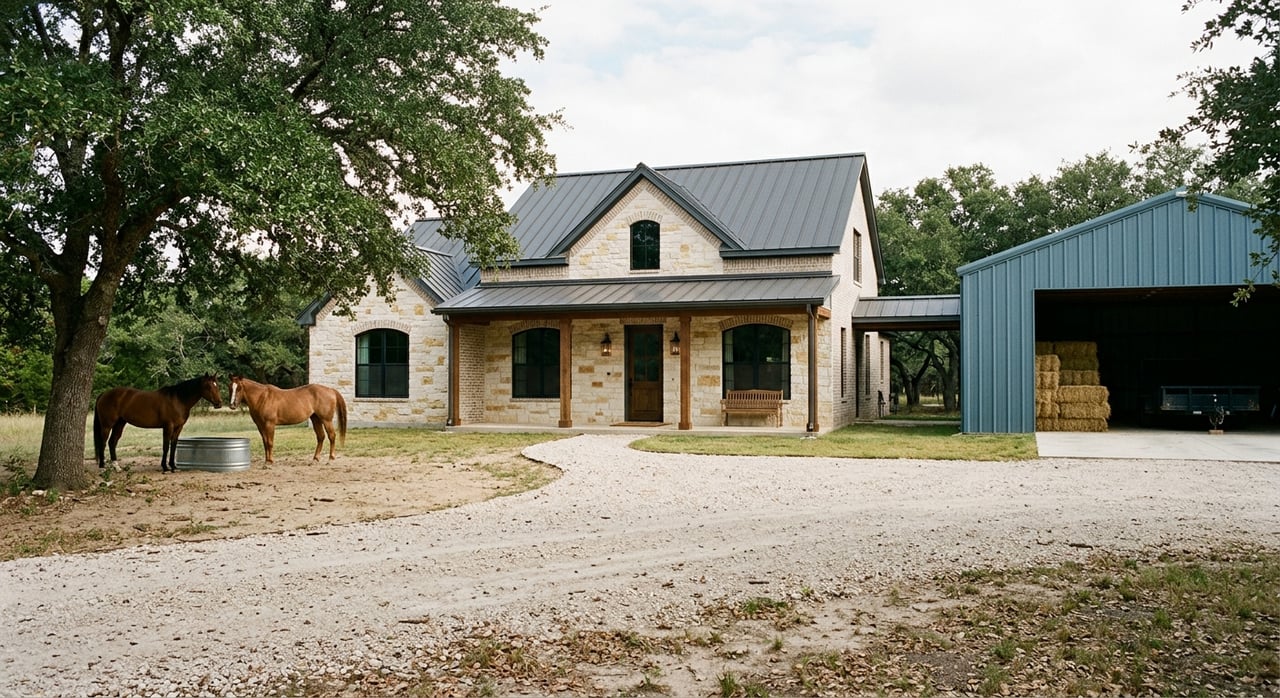
If you picture ranch living as quiet views and a long porch, Erath County will quickly show you there is more to it than that. Life here is shaped by distance, livestock, weather, and regular trips into Stephenville for the things that keep your week moving. If you are wondering what day-to-day ranch living really feels like in this part of North Central Texas, this guide will help you understand the pace, the landscape, and the routines that define it. Let’s dive in.
Erath County Feels Big
Erath County is a large, spread-out county with 1,083.18 square miles of land and a 2024 population estimate of 44,496. That works out to about 39.3 people per square mile, which helps explain why ranch living here feels genuinely rural.
You are not living on top of your neighbors in most parts of the county. Daily life often includes longer drives, open stretches of road, and planning ahead before you head into town. The county also reports 838.48 miles of county roads, which reinforces how much local life depends on being comfortable with distance and travel.
Stephenville Anchors Daily Life
Even though ranch properties may sit well outside town, Stephenville acts as the county’s practical center. The county seat had a 2025 population estimate of 21,793, making it the main hub for errands, supplies, appointments, and community events.
That matters when you think about what ranch living really looks like. You may enjoy privacy and space at home, but much of your routine still connects back to Stephenville. For many people, ranch life here is a balance between open land and a dependable town hub.
Nearby Communities Add Character
Erath County includes communities such as:
- Dublin n- Bluff Dale
- Huckabay
- Lingleville
- Morgan Mill
- Selden
Each area offers a slightly different setting, but the larger pattern stays the same. You get a rural lifestyle with Stephenville serving as the place that ties the county together.
Ranch Work Is Livestock-Centered
If you are moving to Erath County expecting ranch life to be mostly scenic and slow, the agricultural numbers tell a more practical story. According to the 2022 Census of Agriculture, the county had 2,400 farms covering 675,439 acres in farms, with an average farm size of 281 acres.
This is a county where agriculture remains a daily, working part of life. Ninety-seven percent of farms were family farms, and the biggest share of agricultural activity centers on livestock rather than row-crop production.
Cattle, Dairy, and Horses Shape the Routine
Livestock, poultry, and related products accounted for 91% of agricultural sales in Erath County. The county profile lists 171,459 cattle and calves and 5,001 horses and ponies, while pastureland covered 442,771 acres.
Those numbers point to a ranch lifestyle built around practical land use. Feeding, checking stock, maintaining fences, moving cattle, hauling hay, managing pasture, and caring for horses are the kinds of tasks that fit this local pattern. In other words, ranch living here is tied to what the land needs from you, not just how the land looks.
Dairy Is Part of the Local Economy Too
Erath County also has a strong dairy presence. In the 2022 ag data, milk from cows accounted for $350.95 million in products sold, while cattle and calves accounted for $82.79 million.
That mix is important because it shows ranch living here is not one-note. The county supports both cattle and dairy operations, which adds to the working-ranch identity of the area.
Land Use Is Practical
When people think about ranch property, they often focus first on beauty. Beauty matters, but in Erath County, usability matters just as much. The agricultural profile shows 140,689 acres of cropland and 15,397 irrigated acres, but pasture is the dominant land use.
That tells you something important about daily life. Much of the county’s ranch ground is geared toward grazing, livestock support, and managing the property for long-term function. If you are buying or selling land here, the conversation often comes back to how the acreage works, not just how it photographs.
Town and Ranch Life Overlap
One of the more interesting parts of ranch living in Erath County is that rural life and town life are closely connected. Stephenville Main Street centers on the 1892 Erath County Courthouse and includes more than 23 city blocks of downtown shops and restaurants, with streets paved in Thurber bricks in the 1920s.
That gives the town a distinct setting, but the bigger point is how often people from across the county come into town. Ranch living here does not mean staying isolated. It often means spending your mornings on the property and part of your week in Stephenville handling both practical errands and community activities.
Community Events Stay Part of the Rhythm
Stephenville is widely tied to western culture and rodeo activity. City and tourism information highlights recurring events like the Farmers and Artisan Market on the first Saturday of each month, ChristmasVille on Small Business Saturday, Moo-La Fest, and an official calendar that includes ranch rodeo, team roping, PRCA rodeo, and a Rodeo Heritage Parade.
For you, that means ranch living in Erath County can feel both rural and connected. There is room to spread out, but there are also regular reasons to come into town, see people, and stay involved in the local rhythm.
Weather Drives the Year
In ranch country, weather is never just background. It affects water, pasture, livestock care, and the timing of chores. NOAA climate normals for the Stephenville station show an annual mean temperature of 65.0°F and annual precipitation of 34.13 inches.
That supports what many people notice right away about this area. Summers are long and hot, winters are fairly mild, and planning around moisture matters.
Summers Are Hot and Drying Can Set In
Average July temperatures run 97.3° for highs and 70.6° for lows, while August averages 97.6° for highs and 69.6° for lows. That kind of summer heat shapes everything from pasture conditions to how you schedule outdoor work.
Late summer is also relatively drier than spring. July averages 1.99 inches of precipitation, so water planning and land management become part of the practical side of ranch living.
Spring Brings Growth and Moisture
May is the wettest month, averaging 4.97 inches of precipitation. That usually supports the idea of a spring growth season, when pastures respond and the land can look very different from what you see later in summer.
If you are new to the area, this seasonal swing is worth understanding. The same property can feel lush in spring and much more stressed in late summer, which is one reason local land knowledge matters.
Winters Stay Relatively Mild
January averages 59.1° for highs and 30.9° for lows, and annual snowfall averages just 0.7 inches. Snow is not a defining part of life here.
That said, mild winters do not mean no planning. Ranch routines still continue year-round, and cooler months simply shift the kind of work you are doing instead of stopping it altogether.
What Daily Ranch Living Often Means
When you pull the county’s geography, agriculture, and climate together, ranch living in Erath County starts to look very specific. It is less about a romantic idea of the country and more about a practical lifestyle with a strong local identity.
For many buyers and sellers, that lifestyle includes:
- Longer drives and more road time
- A strong connection to Stephenville for services and events
- Land that is valued for pasture, livestock use, and function
- Hot summers that affect outdoor routines and planning
- A community culture tied to western events and local traditions
- A mix of privacy at home and regular contact with town life
That combination is part of what makes Erath County stand out. You get space and a true rural feel, but you are not disconnected from the county’s working culture or community life.
Why Local Guidance Matters
Ranch property in Erath County is not one-size-fits-all. One tract may fit cattle use better, another may work better for horses, and another may appeal more to someone looking for a rural home place with acreage. Distance to Stephenville, land layout, pasture conditions, access, and improvements all shape how a property works in real life.
That is why local context matters so much when you are buying or selling here. Understanding the county is not just about knowing where the property sits on a map. It is about understanding how the land fits the lifestyle you want and the daily realities that come with it.
If you are thinking about buying ranch property or selling land in Erath County, working with a team that understands rural property can make the process clearer and more practical. Ridge Taylor brings deep local roots in Stephenville and decades of farm and ranch experience to help you evaluate land, lifestyle, and long-term value with confidence.
FAQs
What does ranch living feel like in Erath County?
- Ranch living in Erath County feels very rural, with wide-open space, longer drives, livestock-centered land use, and regular trips into Stephenville for services, supplies, and community events.
What kind of agriculture is most common in Erath County?
- Erath County is heavily focused on livestock, with cattle, dairy, and horses playing a major role in daily ranch routines and local agricultural sales.
What town supports daily life for ranch owners in Erath County?
- Stephenville serves as the main hub for daily life in Erath County, with shopping, restaurants, events, and services that support people living on ranches and acreage across the county.
What is the weather like for ranch living in Erath County?
- Ranch living in Erath County includes hot summers, relatively mild winters, modest annual rainfall, a wetter spring season, and very little snowfall.
Is Erath County more about working ranches or scenic rural living?
- The county’s agricultural profile points strongly toward working land, with pasture, cattle, dairy, and horse use shaping much of the local ranch lifestyle.